More Ways to Make Travel Easier
Supportive tools and ideas for trips with your autistic child
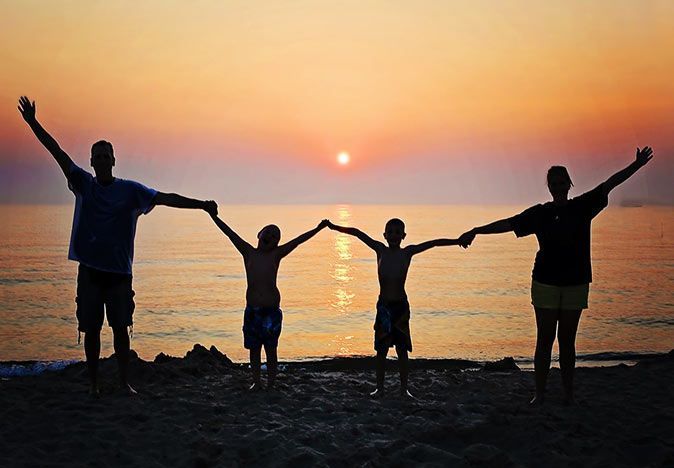
Photo credit: spendlifetraveling.com
School vacations and summer break offer opportunities to travel as a family. You might be picturing a getaway while also wondering how to make travel work for your autistic child. Both can be true.
Travel brings novelty, transitions, and sensory input. That can feel both exciting and exhausting. With some gentle planning and a lot of flexibility, trips can be more doable and even enjoyable.
Here are a few ideas to support you this season.
Choose Thoughtful Destinations
More organizations are incorporating sensory-aware options and inclusive practices. The website autismtravel.com provides recommendations for autism-friendly places to visit, helping your family travel with confidence.
A few to explore:
- Theme parks like LEGOLAND, Sesame Place, and Six Flags often offer staff training and accommodations
- Zoos and aquariums may host sensory-friendly hours
- Beaches, nature trails, and parks can be calming and open-ended
- Museums and libraries are increasingly offering low-sensory experiences
Many venues now have designated quiet or low stimulation spaces. Look for signage or ask at guest services.
Build a Flexible Itinerary (Not a Rigid Schedule)
This is a big one.
Instead of packing each day with must-do activities, try creating a loose plan with options:
- One main activity per day
- Built-in rest or downtime blocks
- Clear “we can leave early” permission
- Backup ideas if something does not land well
Let your child have input when possible. Even small choices like morning beach or afternoon pool can increase buy-in.
A flexible agenda gives everyone breathing room. It allows you to follow your child’s nervous system rather than the clock.
Bring a Sensory Kit
Pack what helps your child regulate and feel grounded:
- Fidgets, noise-canceling headphones, sunglasses
- Tactile items like putty, slime, or textured toys
- Small notebook and pen, toy cars, or comfort objects
- Weighted blanket, vest or stuffed animal.
Having familiar tools available can ease transitions and reduce escalation. If you forget something, many venues sell sensory items. Ask at the front desk or gift shop.
Consider a Sunflower Lanyard
The Hidden Disabilities Sunflower program uses a green lanyard with sunflowers to quietly signal a non-apparent disability.
The goal is not special treatment. It is awareness.
Order yours here: hdsunflower.com
Families often report more patience from staff and fewer assumptions in busy spaces. You can order one online or find them at some airports and attractions.
Set Expectations Gently (for Yourself Too)
Trips do not have to look like other families’ trips.
A successful vacation might mean:
- Fewer activities
- More hotel downtime
- Takeout instead of restaurants
- Early nights
That still counts, and you can have fun vacationing with your family, doing what works for you.
You do not need to make this trip perfect. You just need to make it supportive, flexible, and aligned with your child’s needs and your family’s capacity.
Wishing you a smoother, gentler vacation full of memories.
You are doing a really good job.