To Tell or Not to Tell
When and how to talk with your child about autism
If you’ve ever wondered when or whether to tell your child about their autism diagnosis, you’re not alone. This question often comes up with my clients and is highly personal. My daughter’s diagnosis happened when she was a teenager, and she was part of the conversation with the psychologist who evaluated her.
There’s no one-size-fits-all age or perfect way to do it, but there's an approach that feels steady and intentional instead of overwhelming. Here’s what I’ve learned from research, coaching, and experience.
Kids are smart
Kids may already have a sense that something is different about them than other kids. Many autistic kids sense from a young age that certain things feel harder, louder or more confusing for them than for other kids. They may not have the language for it, but they feel it. Sharing the diagnosis can actually relieve some of that internal pressure. It gives them a name for something they’ve been experiencing all along.
Telling your child builds confidence
Having language or an explanation for their feelings of difference helps build their self-esteem. Studies consistently show that kids who understand their neurodivergence tend to have increased confidence and a clearer sense of identity as they get older. When the conversation is framed around strengths, differences, and the way their brain works, the diagnosis becomes a tool rather than a burden.
Keeping the diagnosis a secret can backfire
Parents often hesitate because they don’t want their child to feel labeled or limited. I get that deeply. But waiting too long can sometimes send an unintended message that autism is something to hide. Kids pick up on this more than we realize, and it can lead them to create stories about themselves that aren’t kind. They’re also incredibly perceptive about private conversations happening around them.
My daughter once said, “I’d rather know I am a zebra and not some unique horse. As a zebra, I can find community. People who talk like me, think like me, and approach life like me.”
It’s not one big reveal
This is the part most parents find comforting. Sharing your child’s diagnosis doesn’t need to be a single, dramatic conversation. It’s a gradual unfolding that can begin with simple ideas like brain differences, sensory needs, or what helps them feel calm. You might talk about things they’re really good at alongside areas that feel more challenging. Celebrate their strengths while also acknowledging that having a brain that works differently can sometimes be hard. Over time, you build on that foundation as they’re ready for more, following your child’s lead and offering additional information as questions come up or situations arise.
What usually helps
Here are a few things I encourage parents to consider:
- Start with strengths
- Use language that feels natural to your family
- Follow your child’s curiosity
- Revisit the topic often as they grow
- Keep the tone neutral, warm, and matter of fact
The goal is that your child walks away understanding that autism is part of who they are, not a verdict about their future.
My perspective
When families invite me into this conversation, I always tell them this: the truth, shared with love and clarity, is rarely the thing that causes harm. More often, it’s the silence, the guessing, and the feeling of being other without explanation. Children do better when they understand themselves, and you get to guide that understanding in a way that feels safe.
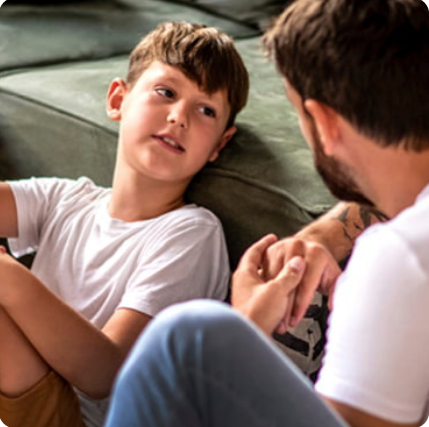
Photo credit: unsplash
If you want help thinking through how to begin the conversation, or you’d like age-specific language, I’m always happy to walk through it with you.