Halloween Your Way
How to plan, practice, and celebrate in a way that fits your child's needs
Halloween - Trick or Treat?
Halloween is supposed to be pure childhood joy: costumes spilling out of closets, pumpkins glowing on doorsteps, the thrill of ringing a stranger’s doorbell for candy. But for many parents of autistic kids, it is another holiday that takes extra planning and a little courage.
You start asking yourself: Will my child be able to handle the lights and sounds? The itchy costumes? The squeals of kids darting across the street? The pressure of saying “trick or treat” at each door? Sometimes the answer is no, and that is okay. Sometimes it is a gentle “let’s try and see.”
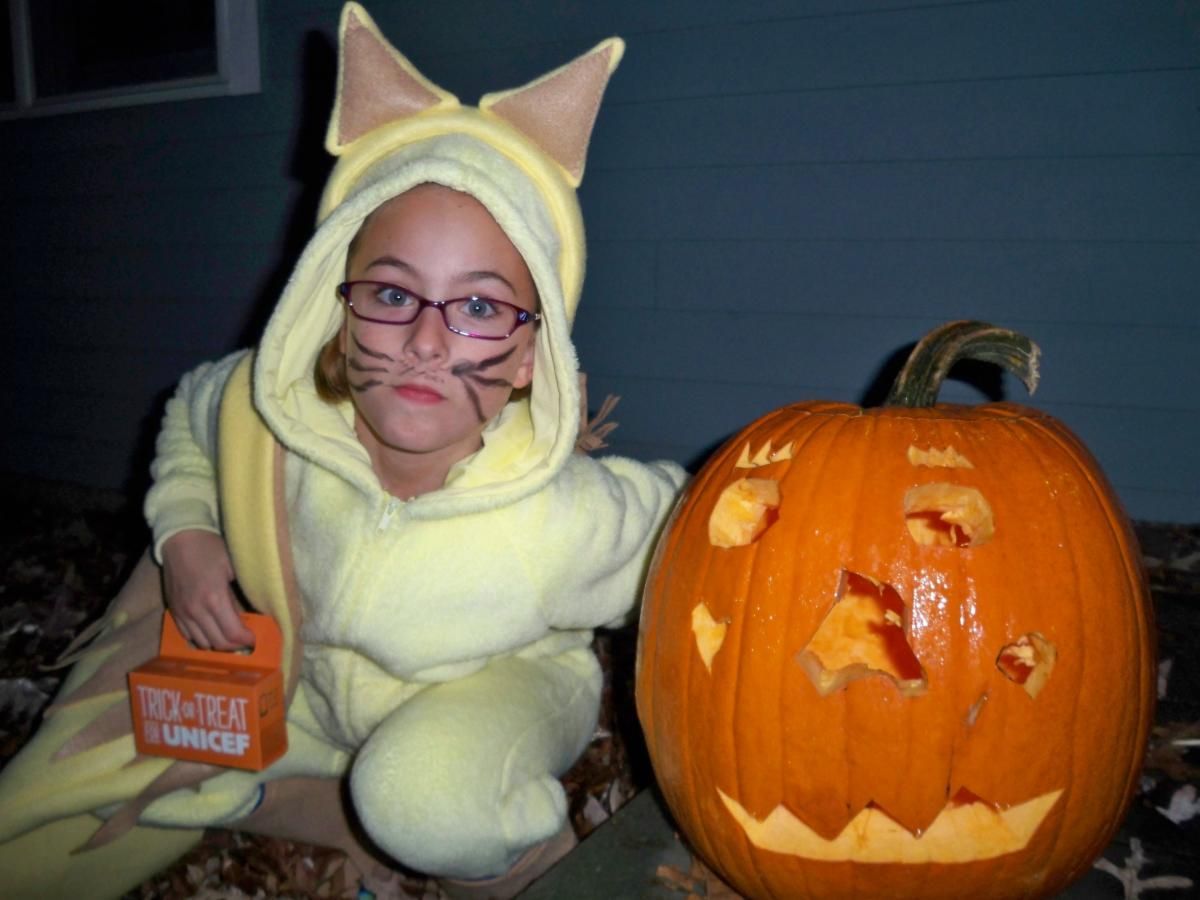
A well-loved set of PJs converted for some Halloween magic!
Costumes: start with comfort.
If your child knows exactly what they want to be, that is a wonderful starting point. But before the big night, let them try it on and move around the house. Notice how it feels. Too scratchy? Too tight? Hot and overwhelming? Comfort always comes first. If the costume is not working, pivot. A favorite hoodie, pajama onesie, or no costume at all is perfectly fine.
When my daughter was two, I decided she would be the cutest elephant on the block. My mom and I sewed the perfect outfit with trunk, ears, and little covered feet. It lasted exactly two houses before she melted down in tears. Too heavy, too much, too everything. We skipped Halloween for a couple of years and tried again when she could choose what to wear. Best decision ever.
Planning the night out
Think about what helps your child feel safe. Maybe you stick to a few friendly houses. Maybe a sibling or friend can help lead the way. If your child is non-speaking, you could bring a card that says “trick or treat,” or go to the door with them. Set the plan so your child knows what to expect and be willing to adapt if things get overwhelming. Not trick-or-treating is also an option; maybe it’s the perfect night for a movie with some friends or board games with the family. Part of celebrating is honoring what fits for your child and your family.
Practice for predictability
One of the best ways to set your child up for success is to make the night familiar long before it arrives. Read picture books about Halloween, watch short videos, or use a simple storyboard to show what will happen: leaving the house, walking to doors, waiting for candy, coming home. Talk about it often and answer questions. Familiarity reduces anxiety and helps your child feel more confident when it is time to go.
If your child uses AAC, make sure their device has the scripts they will need to be successful. Practice finding these new buttons and make sure they feel confident in how they will communicate.
A note for neighbors
Even if you do not have an autistic child, you can help make Halloween easier. Be patient if a child does not say “trick or treat.” Offer a smile, a kind word, and candy without conditions. Some families use blue pumpkin buckets to signal that a child is autistic. Others prefer not to call attention to it. Either way is valid. Let parents choose what is right for their child.
Celebrate your way
There is no single right way to do Halloween. Some families go big. Others stay home and hand out candy, watch a favorite movie, or have a treat hunt indoors. The goal is not to force a perfect night. It is to create a positive, safe experience that your child can enjoy.
Whatever you choose, it is still Halloween. It still counts. And it is still about making memories that feel good for your family.
Hit reply and share some of the ways your family approaches Halloween. I’d love to hear what works for you.