Safe Foods and Sensory Needs
Supporting your child's relationship with food without pressure
What are safe foods?
As parents, we want our kids to enjoy a balanced diet filled with nourishing foods. Food is not just nutrients. It carries traditions, celebrations, and a lot of emotion. But what happens when your child only eats a very short list of foods?
In the autistic community, these are often called safe foods. A safe food feels predictable, familiar, and in no way threatening. Taste, texture, how it is cooked, and even the brand matters. If anything changes, a child may simply refuse to eat it. Common safe foods include specific chicken nuggets, pasta, bread, or a particular protein bar.
And yes, fruits and vegetables often do not make the cut.
Fruit can be unpredictable
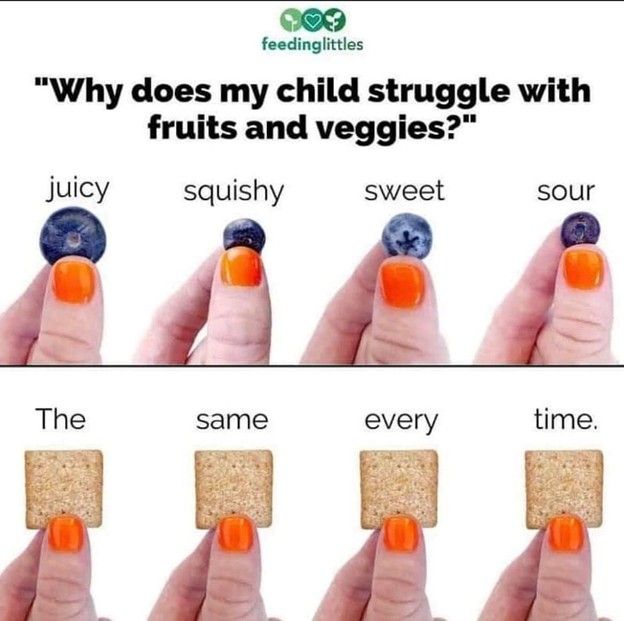
When my daughter was little, she would not eat any fruit at all. Not apples, not grapes, not bananas. The smell of a banana could send her running. Her pediatrician told me not to worry since she ate vegetables. Years later, I asked her why fruit was such a no. Her answer made perfect sense. Fruit can be unpredictable. One grape is firm, another is mushy. One banana is sweet, another is not. Vegetables stayed the same because I always cooked them the same way. Predictability was the comfort.
Safe foods are often simple or packaged because they offer consistency. Some kids even notice packaging changes or recipe tweaks. Bulk buying becomes a survival strategy for parents.
Safe foods are a coping strategy
Here is the key thing to remember. Limiting safe foods does not magically encourage a child to try something new. They will not “eat when they are hungry enough.” They may just refuse to eat at all. Safe foods are a coping strategy. They are not a behavior to fix.
Progress with food takes time and zero pressure. A tiny piece of a new food on the plate. A social story or chart to explore something unfamiliar. Involving your child in grocery shopping or meal ideas. Celebrate any step forward. Even noticing a new food on the table counts.
Your eating habits are not the problem
You might hear well-meaning opinions from others. “If you ate fruit, they would too.” You have my permission to roll your eyes. Your eating habits are not the problem. Sensory sensitivities are real and valid.
Planning ahead is your best friend. Bring safe foods to gatherings, restaurants, holidays, wherever you go. It is okay to protect your child’s comfort and energy. A little communication with hosts ahead of time can help everyone feel prepared.
Identifying a more serious eating issue
There is a difference between safe foods and a more serious eating issue. If restriction affects health or daily life, reach out to your support team. A nutritionist, occupational therapist, pediatrician, or therapist can help explore solutions.
Most important of all, food is one of the places where autistic kids can express autonomy. With time and trust, their list of foods may widen. Be patient. Cheer on the small wins. And remember, safe foods are not your enemy. They are a bridge.