Walking the Tightrope: Supporting All Your Kids When One is Autistic
Making space for everyone in a neurodiverse family
Parents of multiple kids often feel like they’re walking a tightrope when one child is autistic.
Questions pop up daily:
How do I meet my autistic child’s needs while also helping my neurotypical children thrive?
What strategies actually work?
How do I build a strong family where everyone feels seen, supported, and celebrated?
Every family is different, and every child experiences things in their own way. That’s especially true in neurodiverse families. You’ve probably heard this before, but it bears repeating: when you’ve met one autistic person, you’ve met one autistic person. The same goes for families.

Image source: Flickr / Wikipedia
Reality Check
Still, there are some general approaches that help many parents strike a better balance. Adjust your language based on your children’s ages, and consider these ideas:
1. Acknowledge their experience.
Siblings might feel confused or left out because their autistic sibling needs more attention. It’s okay for them to feel frustrated or jealous. Let them know those feelings are valid—and that they are not responsible for their sibling’s care or behavior. Offering short bursts of one-on-one time can make a big difference in helping them feel valued.
2. Be honest and age-appropriate.
Explain that their sibling’s brain works differently, and that’s why certain things might be harder. If you don’t explain, kids will make up their own stories. Keep it simple and honest and stay open to their questions—even the tough ones.
3. Fair doesn’t always mean equal.
Each of your kids has different needs. That means “fair” treatment may not always look the same across the board. Try to help siblings understand that everyone will always get what they need, when they need it. As they get older, involve them in family decisions when appropriate. It helps them feel empowered and, more importantly, heard.
4. Watch for stress signs.
Are they acting out, withdrawing, people-pleasing, or struggling at school? If you're unsure, consider checking in with a therapist who knows neurodiverse families. Sometimes, outside support helps kids feel heard in a different way.
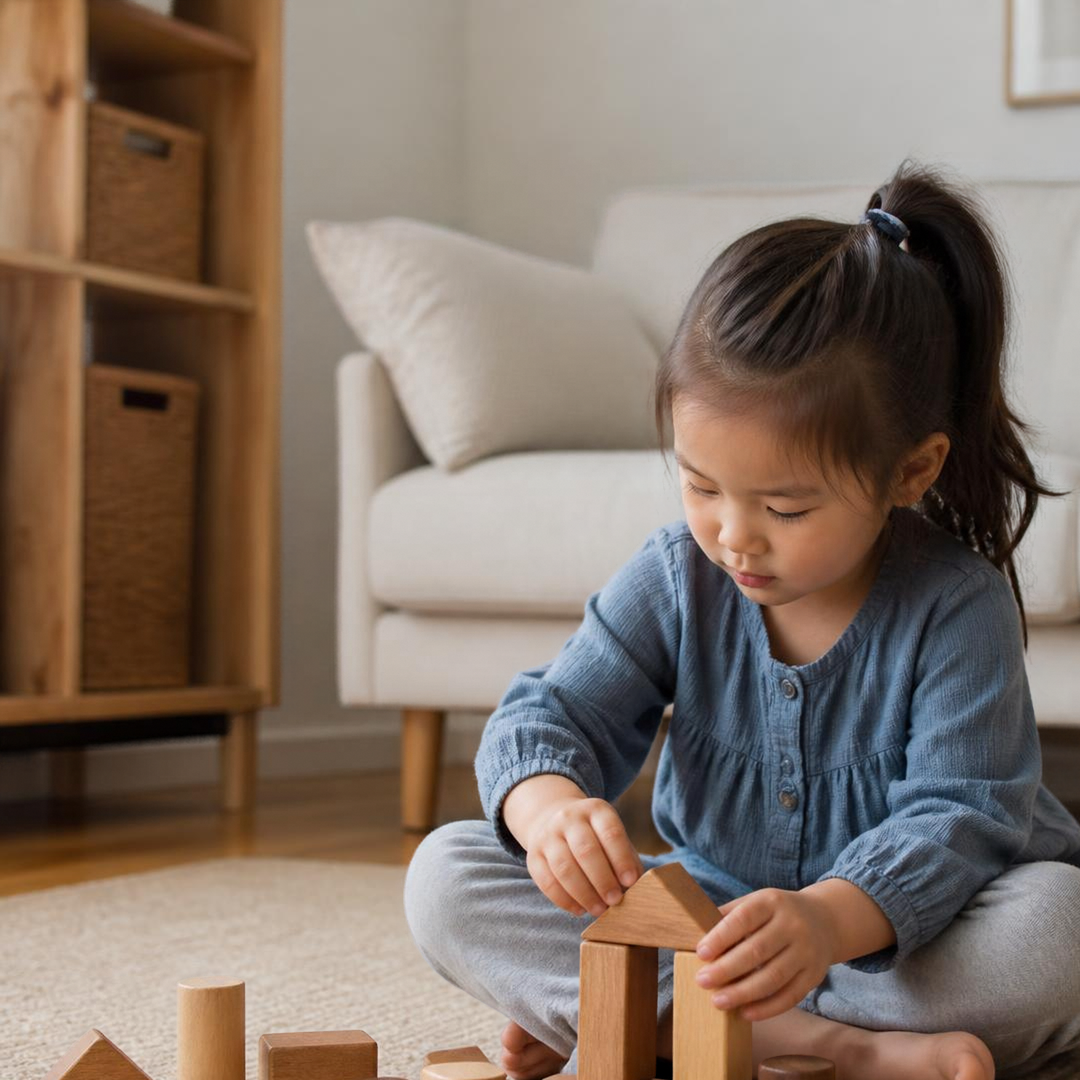
5. Protect their play space.
Make room for your kids to have time alone or play without interruption. They also don’t need to “play together” in the traditional sense. Parallel play—just being nearby—can be enough for bonding.
6. Model self-care.
How you handle stress shapes how your kids respond. Take breaks when you need them. Breathe, stretch, walk, and talk with a friend. When your kids see you take a moment, they learn they can too. (You know the drill—oxygen mask on you first.)
What’s something you’ve tried that makes your home life run more smoothly? I’d love to hear it. Or if you’re curious about new ideas to create more calm at home, hit reply. Let’s talk.