The Fancy Dinner Party
Imagine you are invited to a very chic dinner with someone you are desperate to impress. You’re feeling nervous because the only utensils you’ve ever used at a dinner table, if you even sat at one, are a knife, fork, and possibly a spoon.
You know that this dinner will require you to know which of the three forks is on the table and when to use it. Never mind how to eat soup politely (spooning from front to back carefully).
It feels like too much and you're starting to think of excuses not to go.
If you do, you are counting on being able to watch how the guests around you are using their silverware and managing all the other table settings. You have to ‘mask’ your awareness of what to do and how to carry yourself.
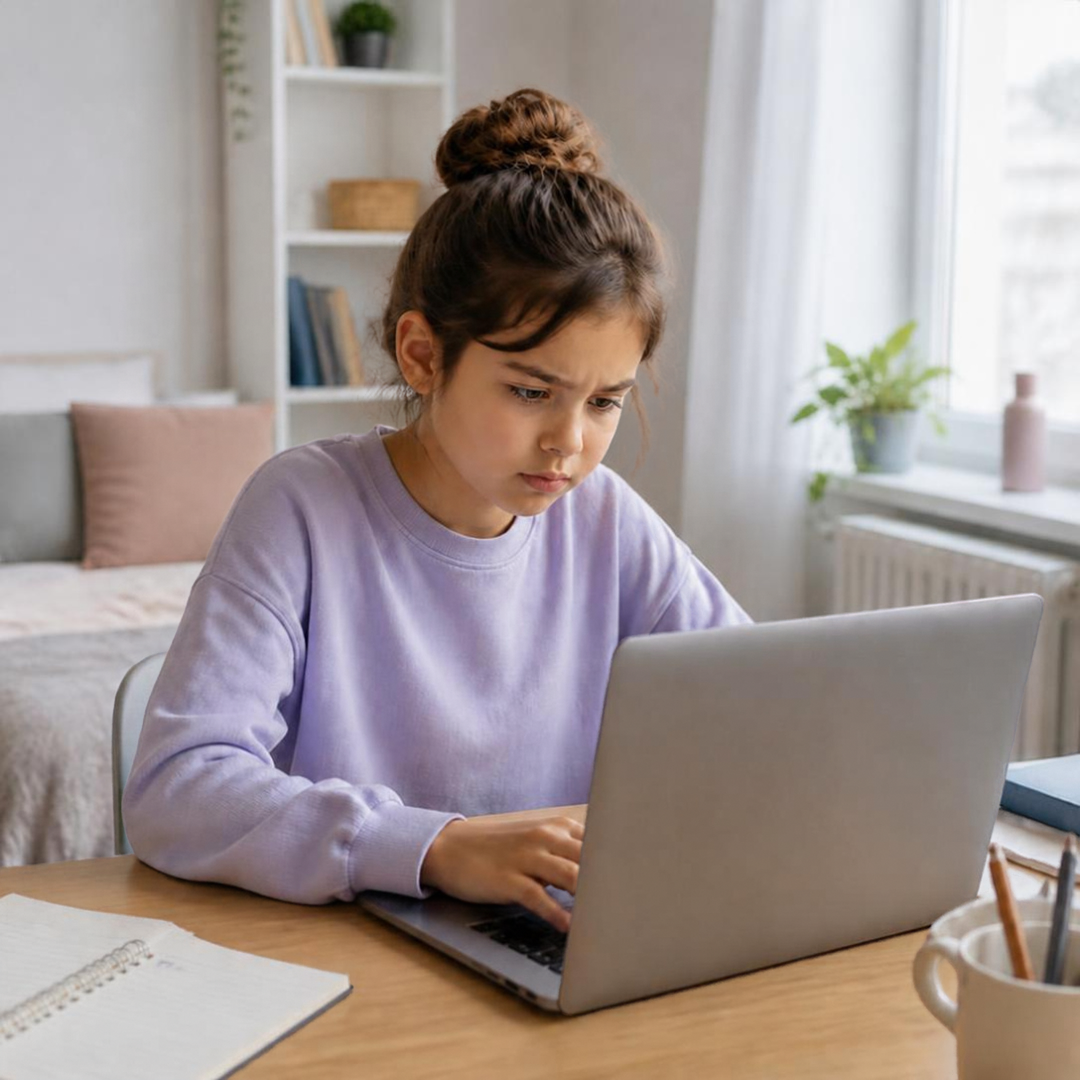
For autistic kids, particularly girls, masking is a daily coping mechanism. Masking can be both conscious and unconscious. It serves as a way for them to hide their autistic traits in the ‘neurotypical’ world. They create a ‘persona’ and adjust their behavior based on how they observe and interpret the actions of other kids around them.
Camouflaging
I had never heard of masking before my daughter’s diagnosis, and it took me some time to understand its implications. Another way to describe masking is to use the term ‘camouflaging’.
Autistic kids with low support needs (who fit society’s expectations) may not appear to struggle with communication, understanding social cues, or interpreting facial expressions, even though they actually do.
Behaviors like maintaining eye contact during a conversation can be a significant challenge, yet this remains a cultural expectation. Masking offers a ‘protective shield’ against judgment from others and helps the autistic child feel accepted by their peers.
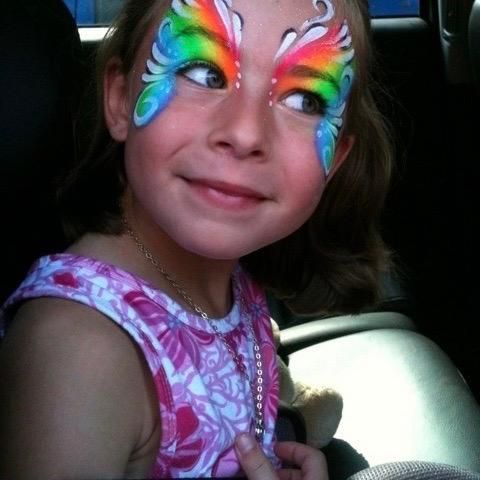
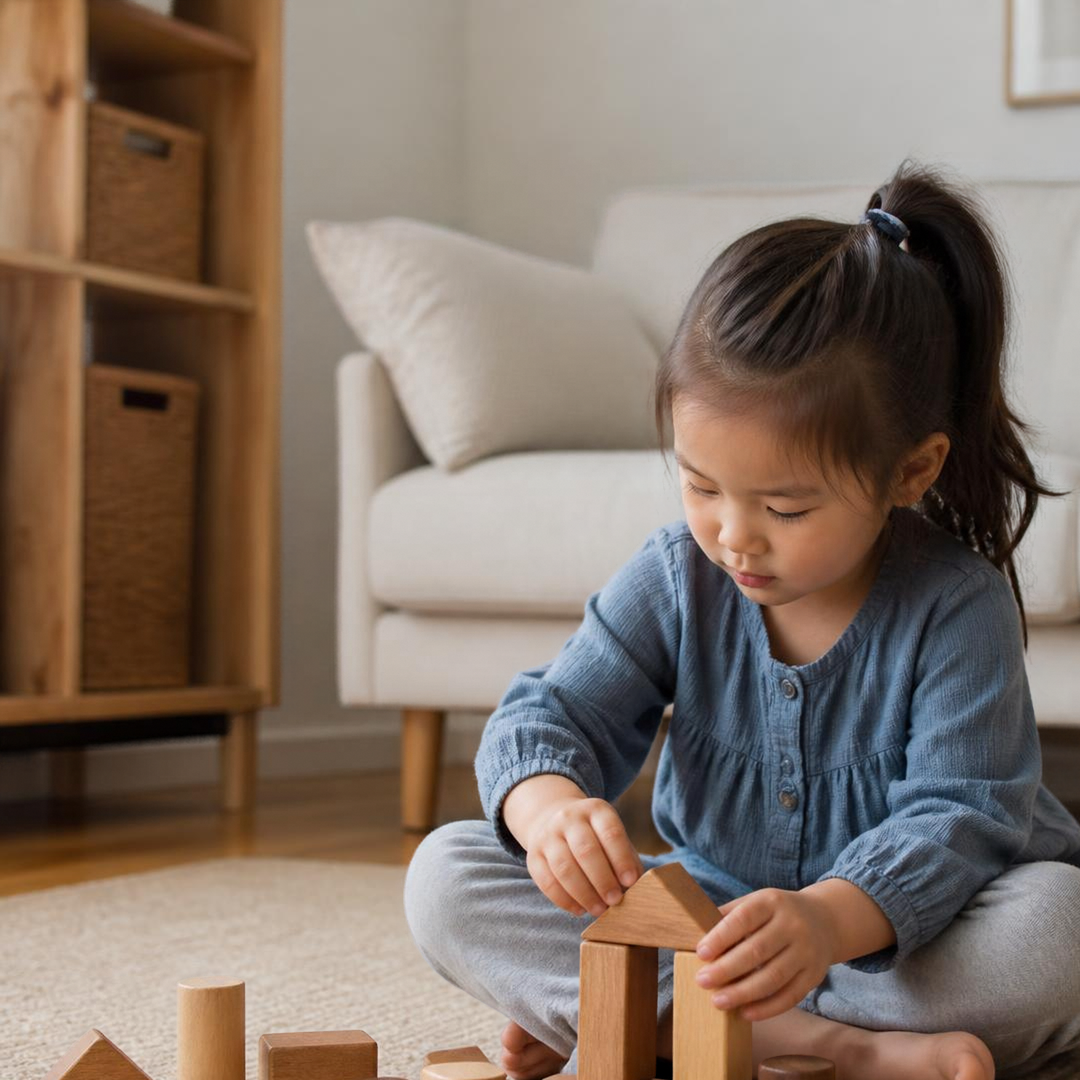
My daughter 'masking' long before her diagnosis.
Masking comes at a cost.
Autistic kids experience burnout and exhaustion, which can be outwardly viewed as meltdowns from the efforts to manage their day, attempting to use scripted or practiced conversational responses that they’ve rehearsed ahead of time, and even making eye contact during conversations.
Their nervous systems are strained, leading to increased sensitivity to sensory input, which heightens the chances of a meltdown.
Bullying
A big drive for autistic kids to mask is motivated by the desire to avoid bullying.
Bullies target kids who appear different and seize the opportunity. They are cruel, ruthless, and often autistic kids are at a considerable disadvantage. The statistics show that over 60% of autistic kids experience bullying in some form.
Shifting Expectations
If you had to attend those chic dinner parties every night, but the expectation changed slightly each evening based on the host’s frivolity, you would quickly tire of having to decode and figure out what is expected. An autistic child who masks faces the same experience throughout the day, every day.